
Pizza Dough & The Weather: Why Humidity Changes Everything
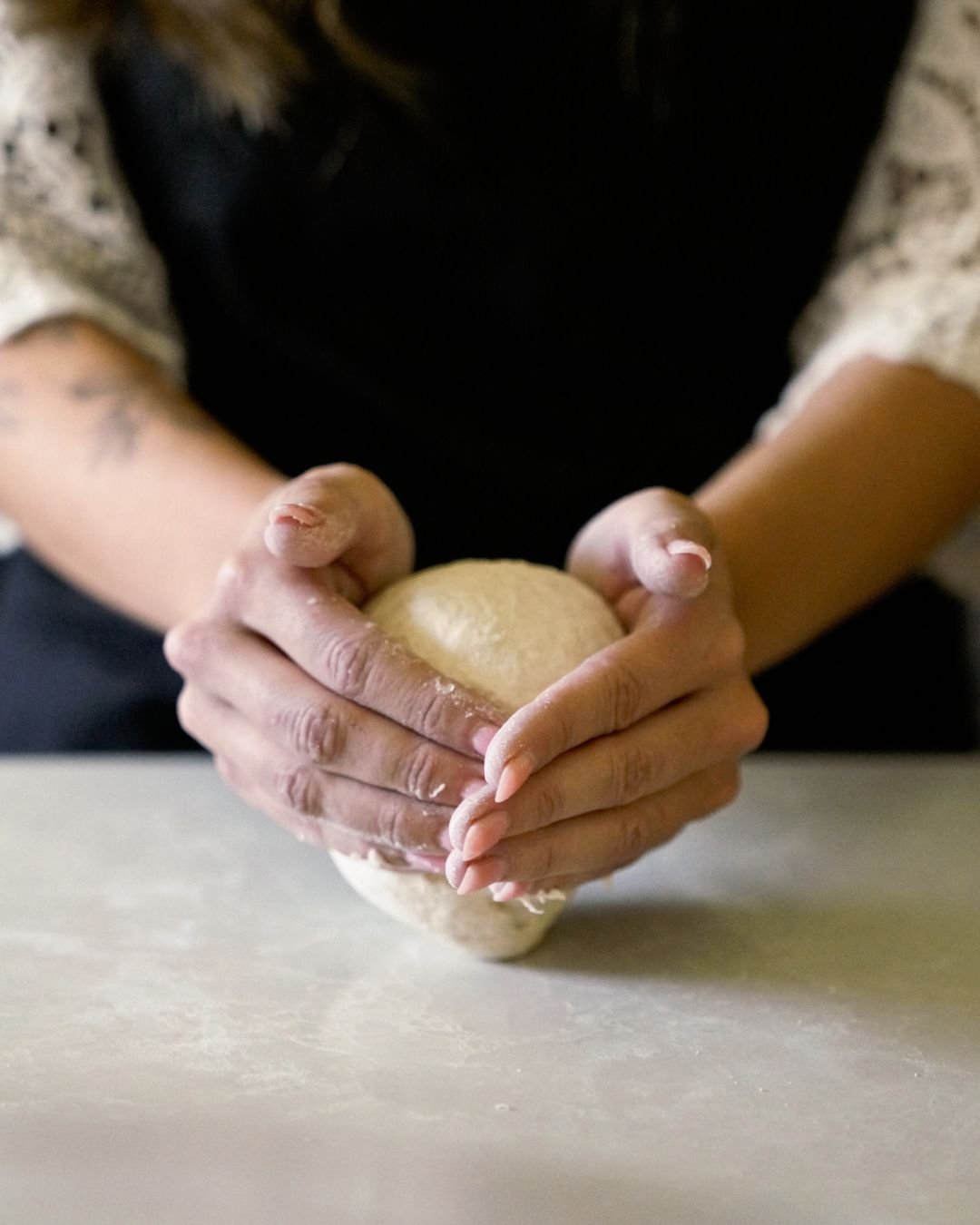
If your pizza dough feels sticky, spreads too fast, or rises too quickly in summer, you’re not imagining it. Queensland’s weather, especially in peak humidity season like February, can completely change how your dough behaves.
Even seasoned cooks get thrown off by it. But once you understand the science of temperature and humidity, you can adapt your technique and still create beautifully structured dough at home.
Let’s break down what’s happening and what you can do about it.
Heat + Humidity = Faster, Stickier Dough
Dough is alive. Yeast and bacteria feed, ferment and multiply. And like any living thing, they respond to the environment.
Here’s how hot, humid weather impacts your dough:
Weather Factor & Dough Effect
-
Speeds up fermentation
-
Makes dough stickier and slacker
-
Traps moisture in flour and air
In Queensland, especially in coastal areas like the Gold Coast, your dough can overproof quickly or spread too thin before it hits the oven.
What’s Really Happening in the Dough
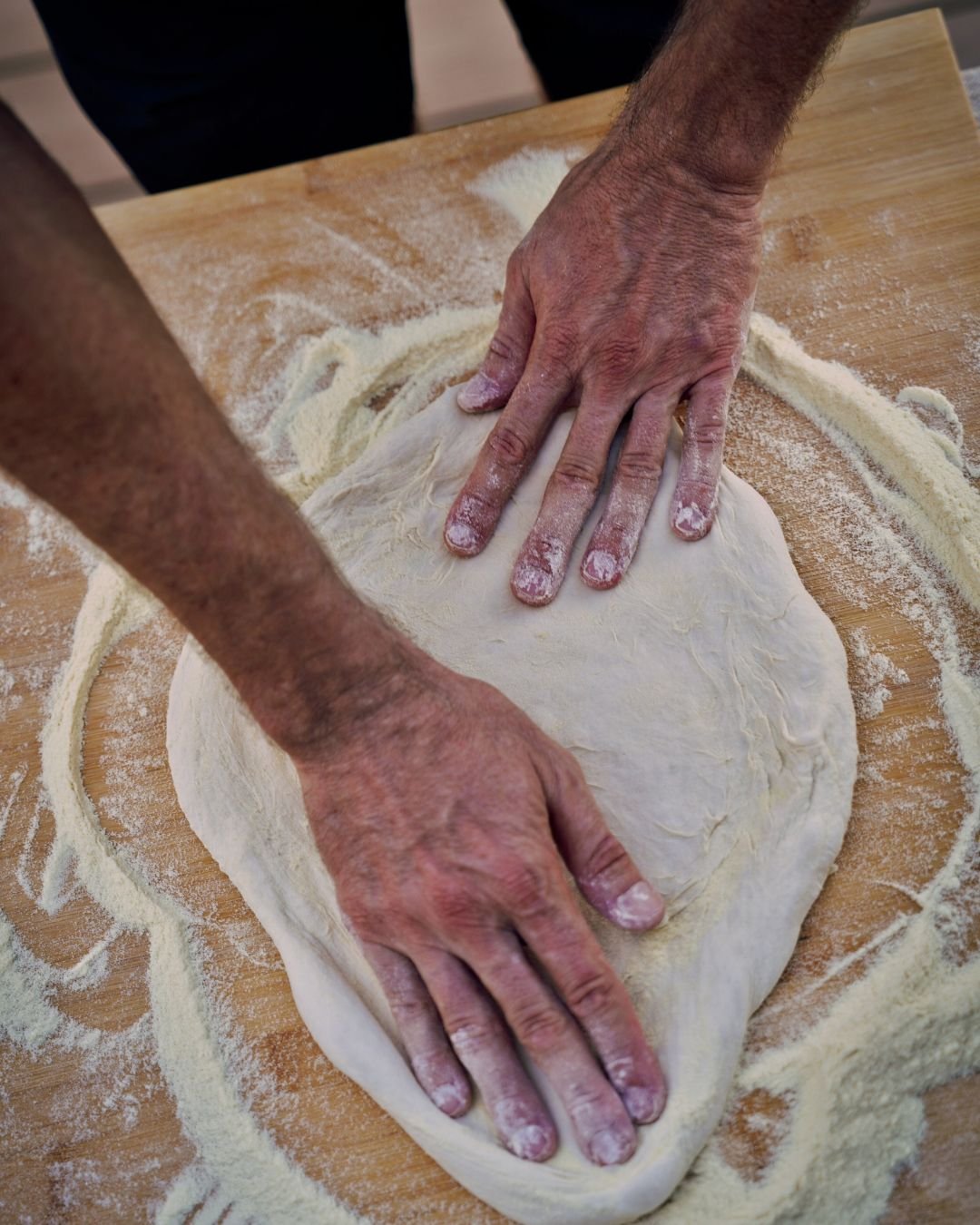
The science is simple:
Heat = fast yeast activity
Your dough may look ready in 4 hours, but it hasn’t developed full flavour or structure.Humidity = extra water content
Flour absorbs moisture from the air. Your dough can become too wet, even if your recipe stays the same.Result: sticky surface, hard to shape, weak structure
You’ll notice tearing, slumping, or a lack of puff.
5 Adjustments for Humid Weather Pizza Dough
Whether you’re prepping for a backyard pizza night or hosting friends indoors, here’s how to handle humid conditions:
Use slightly less water
Dial hydration back by 2–3% (e.g., from 70% to 67%) if the air feels thick.Chill your water and dough
Use cold water during mixing and ferment in the fridge to slow things down.Add a stretch & fold
Build strength early with a few folds in the first hour of fermentation.Shorten room-temp bulk time
Cut your room-temperature ferment in half and finish it in the fridge.Handle dough with wet hands or light oil
Avoid flouring your bench; it gets messy fast in humidity. Use moisture to control the sticking.
Luke’s Go-To Method in Queensland Heat
At Marino & The Dough, we adjust everything for the local climate. In summer, Luke Marino uses a hybrid method:
Cold mix
Bulk ferment at room temp for 2–3 hours
Long cold proof (72 hours) in the fridge
Shaping straight from cold with a gentle stretch
The result? Dough that’s strong, relaxed, and ready for that perfect wood-fired bake, even in a Gold Coast February.
Why Weather-Driven Technique = Dough Mastery
Most recipes give fixed times and ratios, but real mastery means adapting to your environment. That’s the gap most home cooks miss.
Learning how to read your dough, its texture, stretch, and readiness, is what sets great pizza apart.
That’s exactly what we teach in our private masterclasses. Real techniques. Real environments. Real results.
Struggling with dough in summer? Learn with Luke.
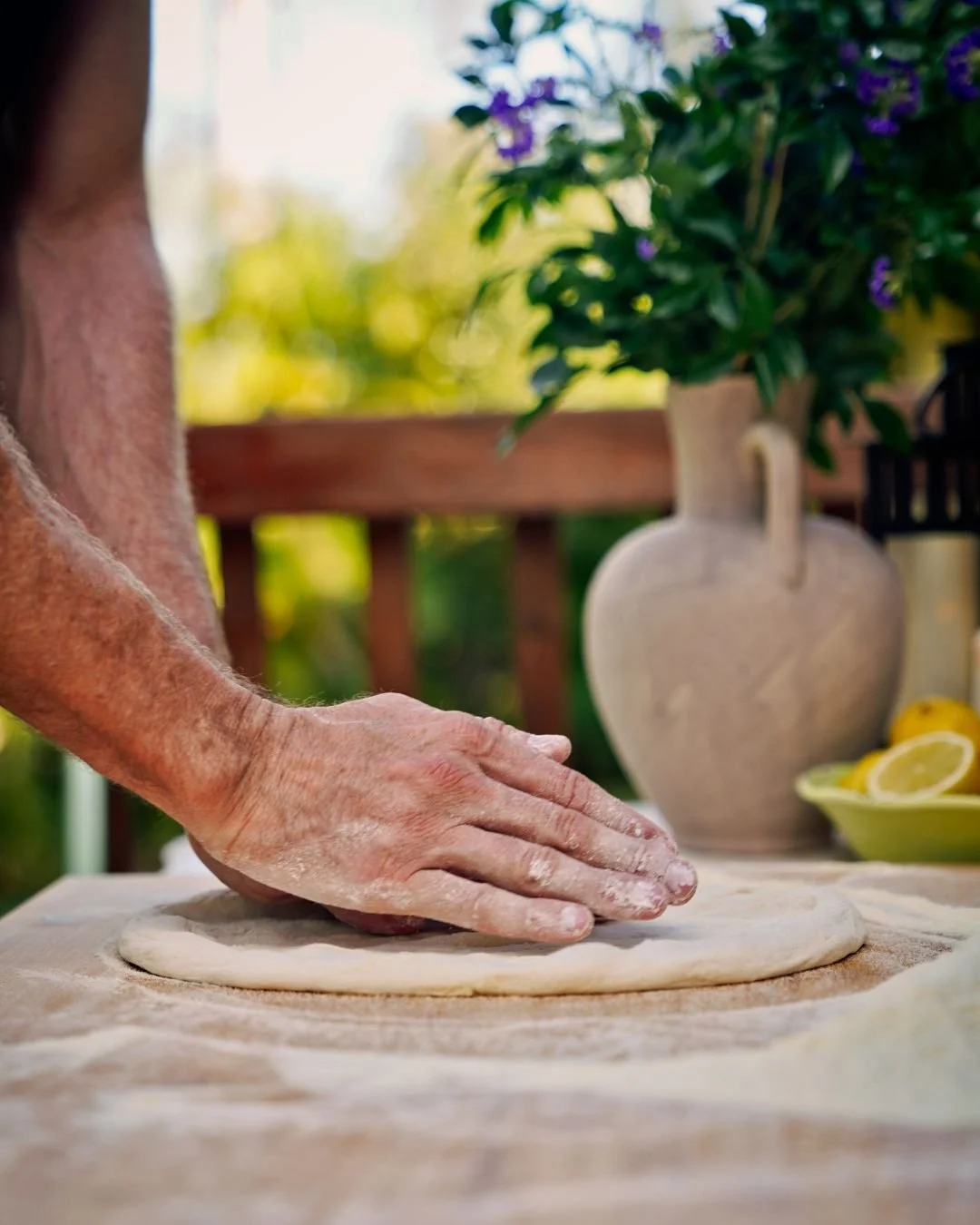
In every Marino & The Dough masterclass, we tailor the dough method to your space, humidity, oven, tools, and all. Whether you’re in Brisbane or Burleigh, you’ll learn hands-on techniques that work for your kitchen.