
Dough Folding Techniques for Pizza: A Hands-On Guide to Strength, Air and Stretch
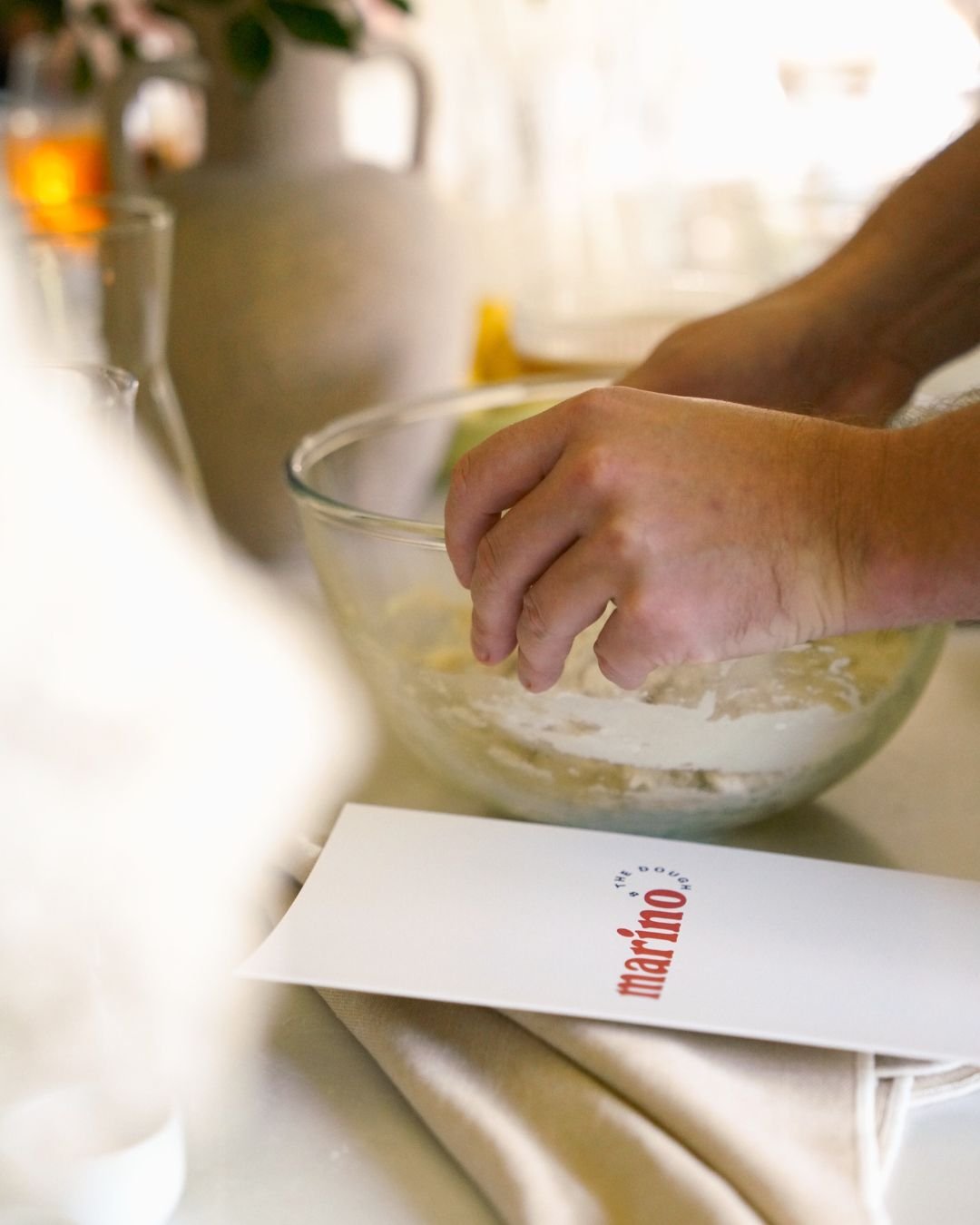
When it comes to making great pizza dough, most home cooks focus on ingredients. But the real difference between average dough and exceptional dough lies in how it’s handled.
For Neapolitan-style pizza dough, especially at higher hydration levels, traditional kneading can actually do more harm than good. Dough folding offers a more controlled, effective way to develop gluten, build structure, and preserve the air needed for a light, open crust.
This guide explains what dough folding is, when to fold, and how folding before and after bulk fermentation plays two very different roles in creating better pizza.
What Is Dough Folding in Pizza Dough?
Dough folding is a technique where the dough is gently stretched and folded back over itself. Instead of aggressively kneading, folding allows gluten to strengthen gradually while maintaining softness and extensibility.
In high-hydration pizza doughs, folding helps:
Develop gluten without tearing the dough
Improve elasticity and stretch
Trap fermentation gases
Create a lighter, airier crust
This is why folding is widely used in Neapolitan and artisan pizza dough processes.
For softer doughs (70–80% hydration and above), folding is the ideal method to build structure while maintaining softness.
Why Folding Works Better Than Kneading for High-Hydration Dough
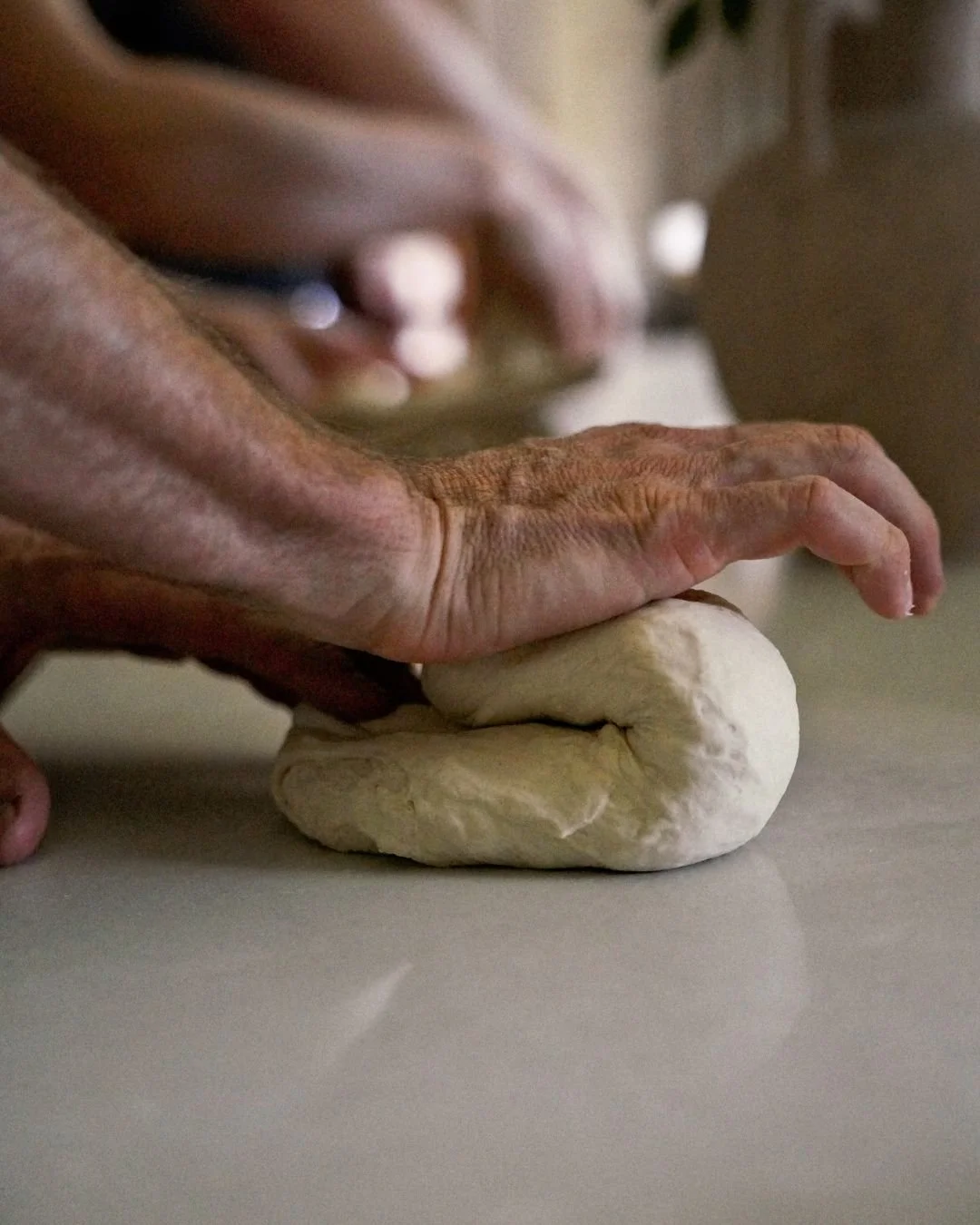
High-hydration doughs (typically 70 percent and above) are more fragile early on. Over-kneading can tighten the gluten too quickly, leading to dough that resists stretching or tears during shaping.
Folding allows the dough to:
Strengthen gradually as it rests
Align gluten strands naturally
Retain moisture and air
Stay relaxed and workable
The result is dough that feels soft in the hands but bakes with structure, lift, and chew.
When to Fold Pizza Dough: Understanding the Full Dough Timeline
One of the most common points of confusion is when folding should happen. In a well-structured pizza dough process, folding occurs at two distinct stages, each with a different purpose.
1. Folding Before Bulk Fermentation (Gluten Development Stage)
The first folding stage happens shortly after mixing, typically within the first 10 to 30 minutes.
At this point, the dough is rough, sticky, and underdeveloped. Folding here is used to:
Begin gluten formation
Even out hydration
Build early strength before fermentation starts
Techniques such as Slap & Fold or Stretch & Fold are used at this stage, depending on hydration and dough feel.
This stage replaces heavy kneading and sets the foundation for bulk fermentation.
2. Folding After Bulk Fermentation (Balling and Gas Retention Stage)
Once bulk fermentation is complete and the dough has risen, folding takes on a different role.
Here, the dough is divided and shaped into individual dough balls using a controlled folding technique often referred to as Finger Tuck or Balling.
This stage is not about building strength. Instead, it focuses on:
Trapping fermentation gases inside the dough
Creating surface tension
Preserving the internal structure developed during bulk
This gentle folding ensures the dough balls rise evenly and bake with a pronounced, airy cornicione.
Pizza Dough Folding Techniques Explained
While folding can happen at different stages, the techniques we focus on at Marino & The Dough are all about setting the dough up for clean, airy balling after bulk fermentation. Each one plays a specific role in how the dough behaves when it’s time to divide and shape.
Fold Type with Technique Summary
-
Lift, slap onto the bench, fold over. Repeat rhythmically.
Used immediately after mixing, before bulk fermentation begins. This technique develops initial gluten strength in medium to high-hydration doughs, giving the dough enough structure to ferment evenly and hold gas later on. A well-executed Slap & Fold makes the dough easier to portion and roll after bulk.
-
Lift, stretch one side, fold over. Quarter turns. 2–3 sets max.
-
Cup hands, gently rotate dough while tucking edges underneath to create surface tension.
An optional early-stage technique for very wet or loose doughs. Stretch & Fold adds extra support during the initial development phase, helping the dough maintain integrity through bulk fermentation so it can be cleanly shaped into balls without collapsing.
Most Neapolitan pizza doughs only need Slap & Fold at the start and Finger Tuck when balling. Stretch & Fold is optional; use only if hydration is high or the dough feels loose.
How to Tell When Your Dough Has Been Folded Enough
Well-folded dough shows clear visual and tactile signs:
Smooth, elastic surface
Increased resistance without stiffness
Visible air bubbles during bulk fermentation
Improved shape retention after each fold
Roughly doubled volume by the end of bulk
If the dough tears, snaps back aggressively, or feels tight, it needs more rest between folds rather than additional handling.
Does Dough Folding Affect Flavour or Just Texture?
Folding affects both texture and flavour.
Stronger gluten allows the dough to trap fermentation gases more efficiently. This improves oven spring and allows longer fermentation, which enhances flavour through natural enzymatic activity and organic acid development.
The result is pizza dough that bakes light and airy, with depth of flavour and a balanced chew.
Why Dough Folding Is Easier to Learn Hands-On
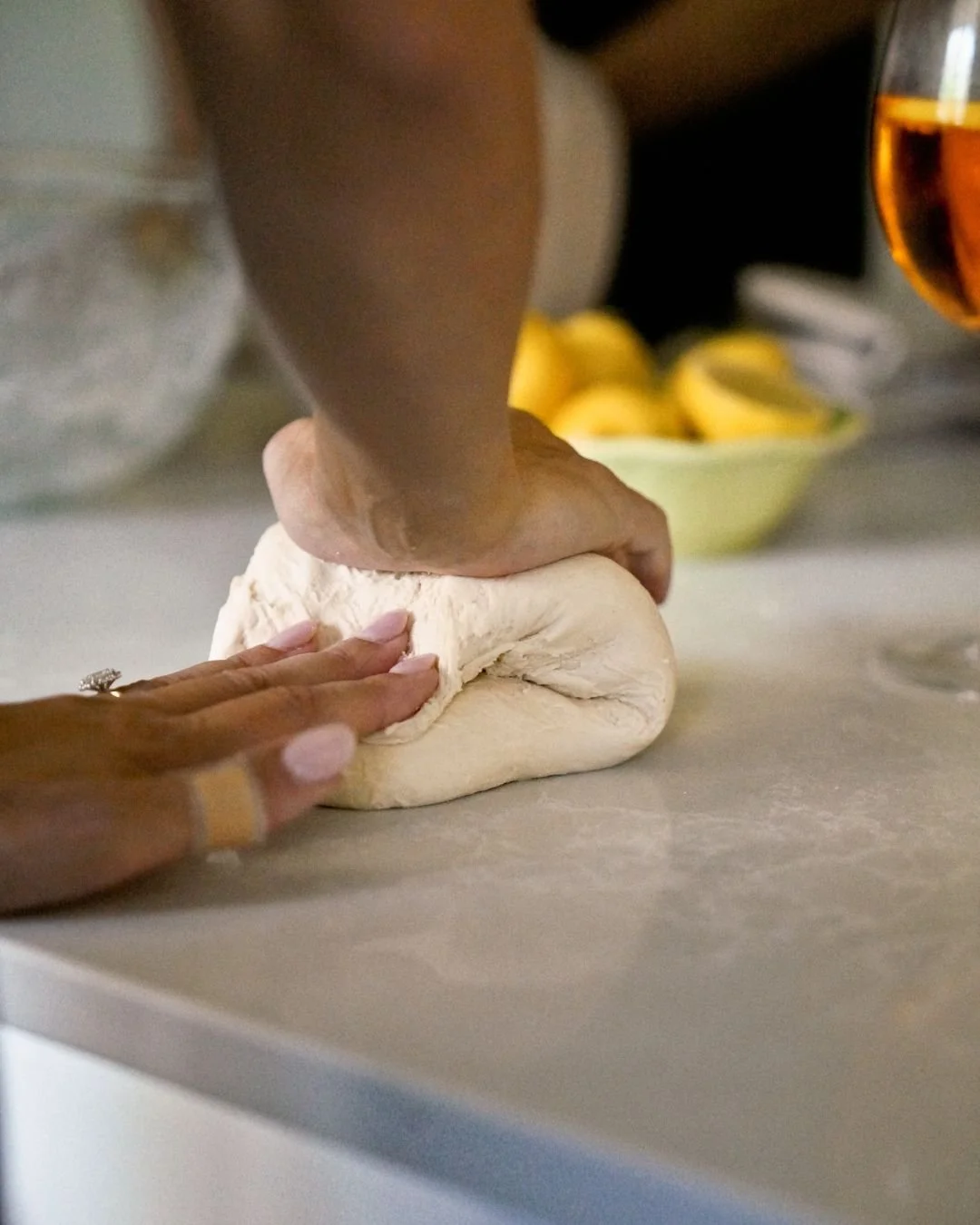
Dough folding is subtle. The pressure, timing, and feel are difficult to understand from recipes alone.
That’s why folding is a core focus in every Marino & The Dough masterclass. Guests learn how properly folded dough should feel at each stage, using long-fermented dough and guided hands-on practice.
We bring the dough, the oven, and the technique to you, so you can focus on learning and enjoying the process.
Final Thoughts: Folding Is the Foundation of Great Pizza Dough
To summarise:
Dough folding replaces heavy kneading for high-hydration pizza dough
Folding happens before bulk fermentation and again during balling after bulk
Each folding stage serves a different purpose
Proper folding improves structure, air retention, stretch, and flavour
Mastering folding means mastering your pizza base
Great pizza doesn’t start in the oven. It starts with how you handle the dough.