
Why Does My Pizza Get Soggy? The Tomato Fix for a Crisp Base
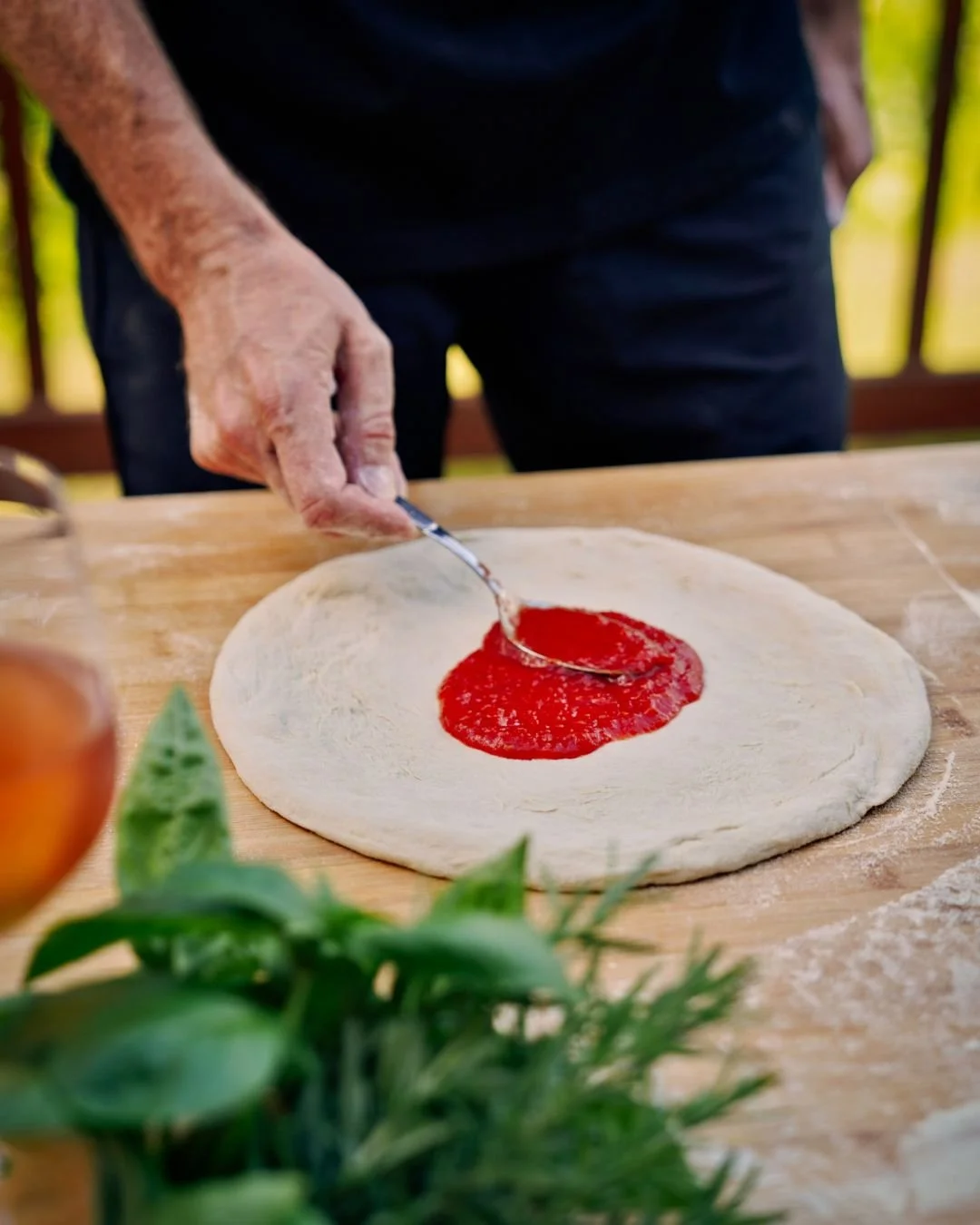
That soft, soggy patch in the middle of your pizza isn’t just frustrating, it’s a red flag. And it usually doesn’t come from your dough. It starts with your tomatoes.
If your pizza feels limp in the centre, struggles to crisp, or turns wet after slicing, the most likely cause is too much moisture from your sauce. And while base handling and oven heat matter, no factor ruins pizza faster than a watery tomato layer.
Here’s how to fix it, and what we teach in every masterclass.
The Real Reason Your Pizza Is Soggy
A soggy pizza base often comes down to three things:
Over-processed, watery tomatoes
Sauce applied too thick
Wet dough or raw toppings trapped beneath the cheese
Let’s focus on what you can control fast: your sauce.
Most Supermarket Tomatoes Aren’t Pizza-Ready
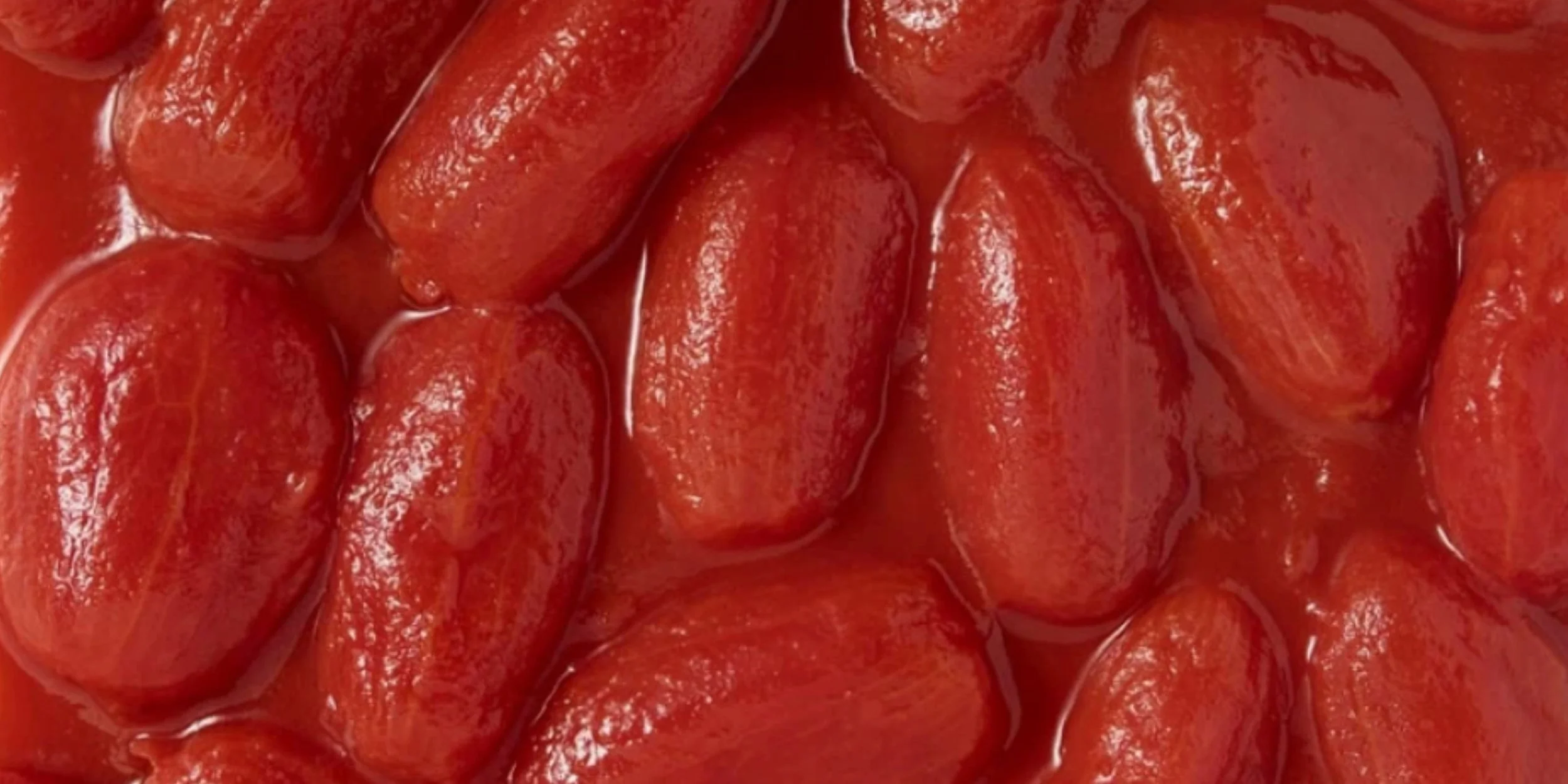
Most tinned tomatoes on the shelf are packed in juice, not puree. That means even if the flavour is decent, there’s too much water in the can.
Once blended into the sauce, that excess liquid sits between the dough and cheese, blocking the base from crisping properly.
You’ll often see:
A pale pool in the centre after slicing
Pizza that bends instead of holding shape
Bases that look undercooked despite full oven heat
How to Fix It: Luke’s Tomato Rules

At Marino & The Dough, we work with high-hydration doughs. That means the toppings need to pull their weight, no excess moisture, no shortcuts.
Here’s how Luke handles sauce, step by step:
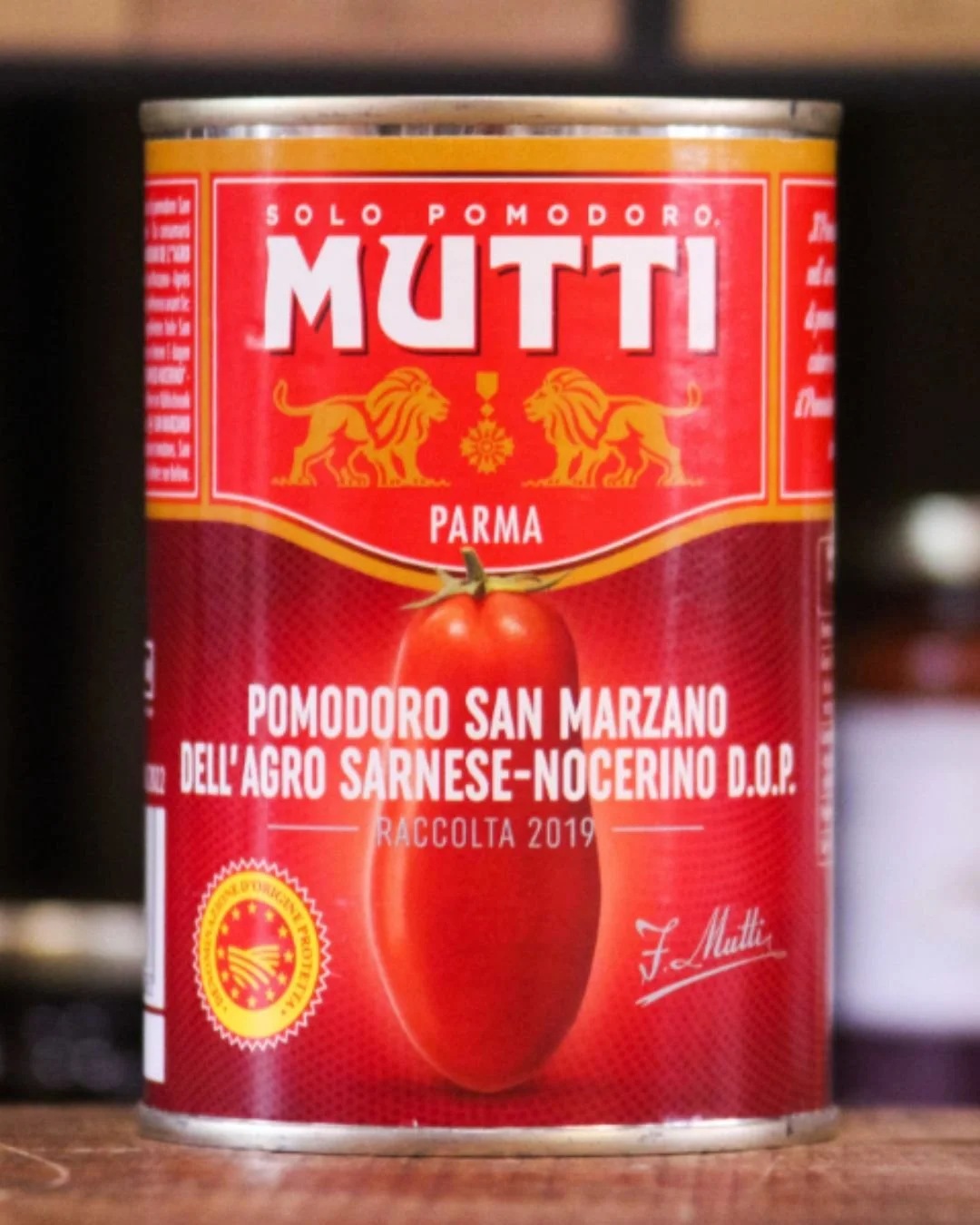
1. Choose the right tomatoes
Look for whole peeled San Marzano or Italian plum tomatoes packed in puree. No added herbs or sugar.
2. Minimal blending
Use your hands, just enough to break it down. Over-blending releases more liquid.
3. Don’t pre-cook the sauce
Cook it on the pizza, not on the stove. Pre-cooked sauces tend to break down under heat, making sogginess worse.
4. Apply thinly
Use just enough to cover the base. You should still see the dough through the layer of tomatoes; that’s the mark of a well-dressed pizza.
Bonus Tip: Tomato Acidity and Dough Behaviour
Tomato choice isn’t just about moisture. High-acid, low-quality tomatoes can affect how your dough behaves under heat, especially in high-temp ovens.
San Marzanos have a natural sweetness, low seed count, and low moisture, perfect for balanced fermentation and flavour clarity.
What About Oven Heat and Base Handling?
Yes, oven temp matters. But even with a Gozney or wood-fired unit running hot, you won’t get a crisp base if you’re starting with a pool of liquid under the cheese.
Thin sauce. Strong dough. Hot stone.
That’s the formula we bring to every class.
Want to Learn Pizza the Right Way?
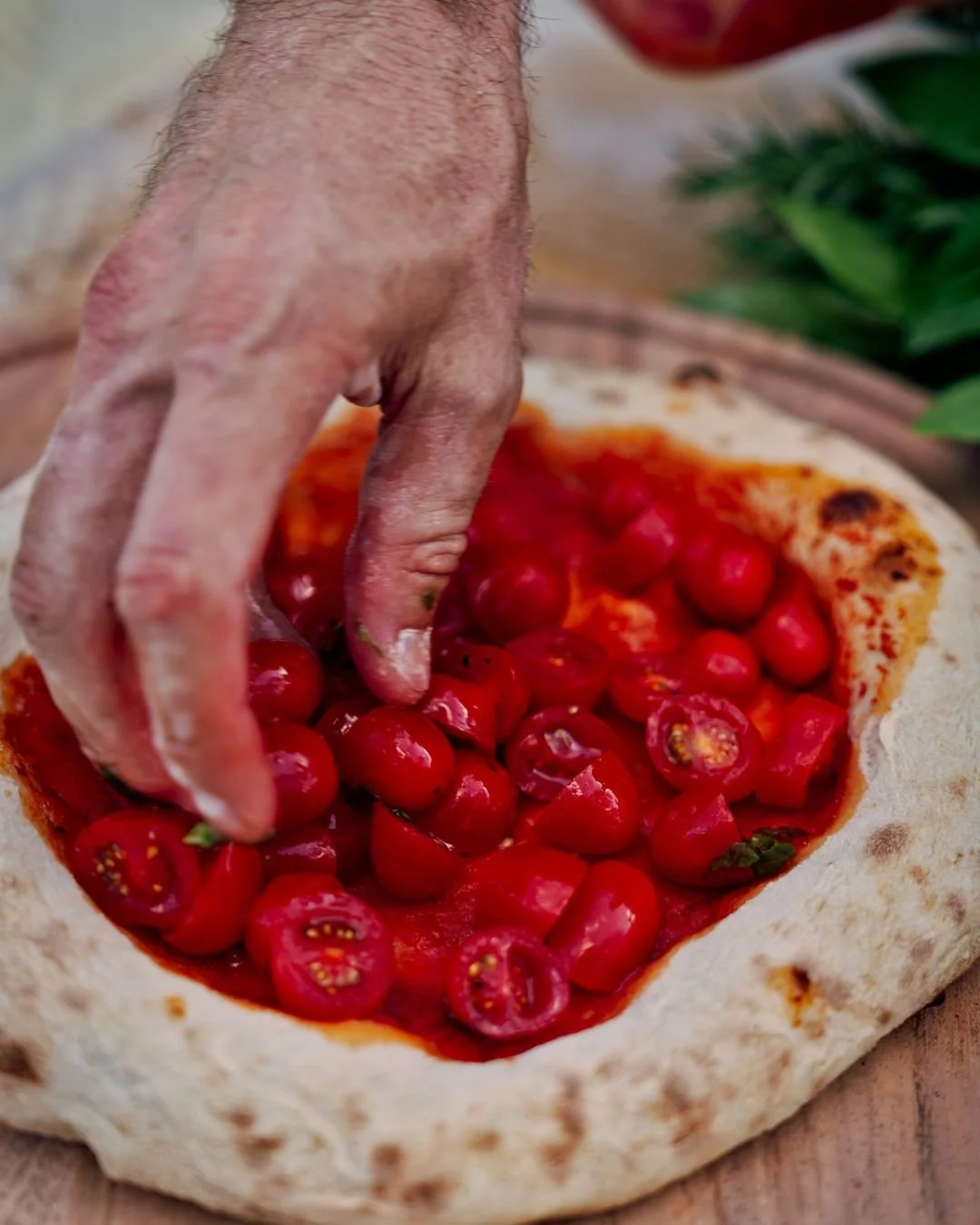
In every Marino & The Dough masterclass, we show guests how to:
Work with real San Marzano tomatoes
Balance toppings to avoid sogginess
Bake with confidence using your own oven and setup
We bring the pizza oven to your space and walk you through every step, so your next pizza night stays crisp from start to finish.