
The 10 Most Asked Questions About Neapolitan Pizza Dough (Gold Coast Edition)
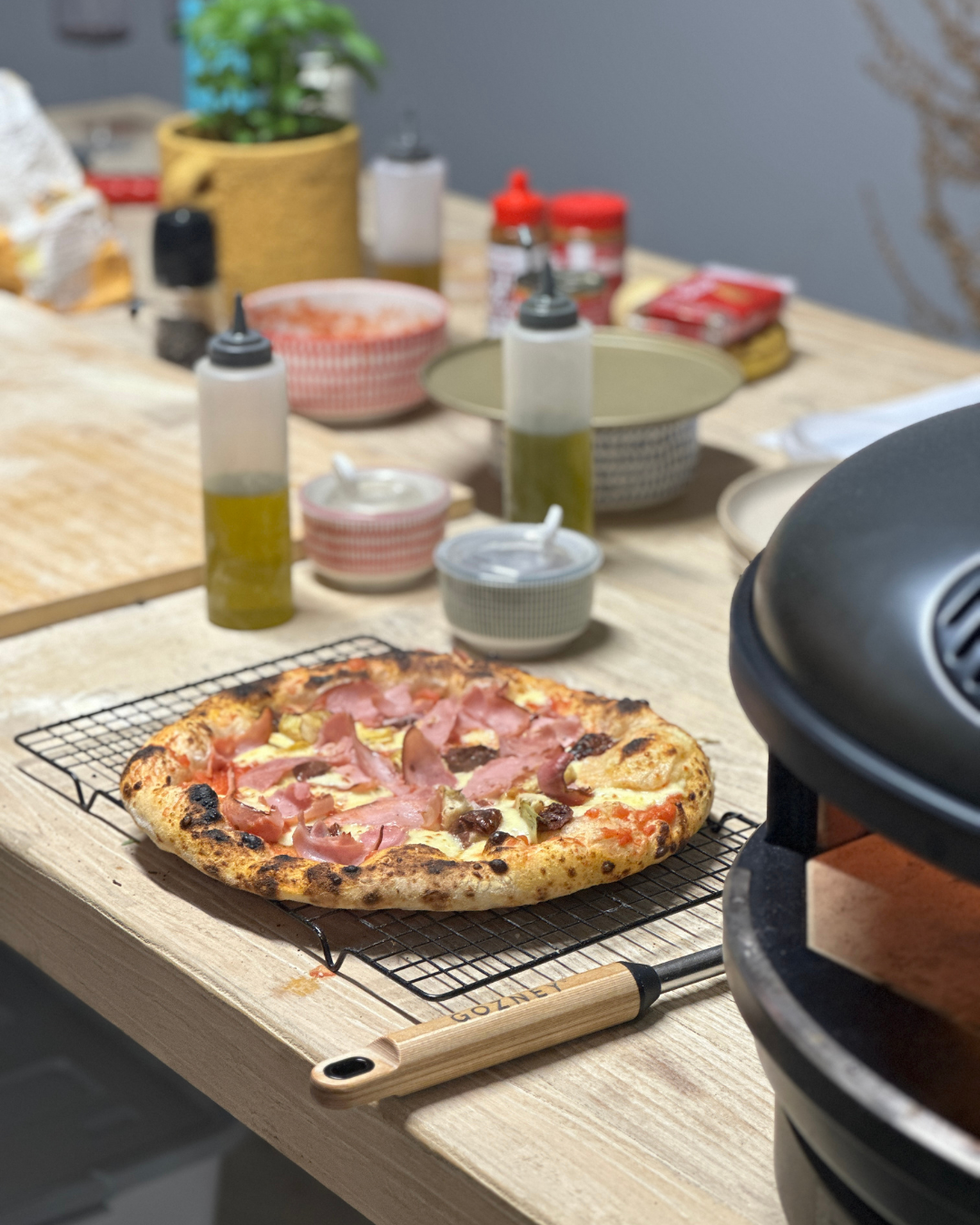
A straight-up guide for Aussie home cooks chasing that perfect crust
If you’ve ever tried making Neapolitan pizza at home and ended up with something more like garlic bread on toast, you’re not alone.
After running heaps of pizza masterclasses across the Gold Coast, I’ve heard the same questions come up again and again. People want to know how to make pizza dough at home that actually works, light, chewy, blistered, and full of flavour.
So here it is, a no-BS, honest guide answering the 10 most common questions I get asked about Neapolitan pizza dough all the time. Whether you’re just getting started or refining your technique, this one’s for you.
1. What flour should I use for Neapolitan pizza dough in Australia?
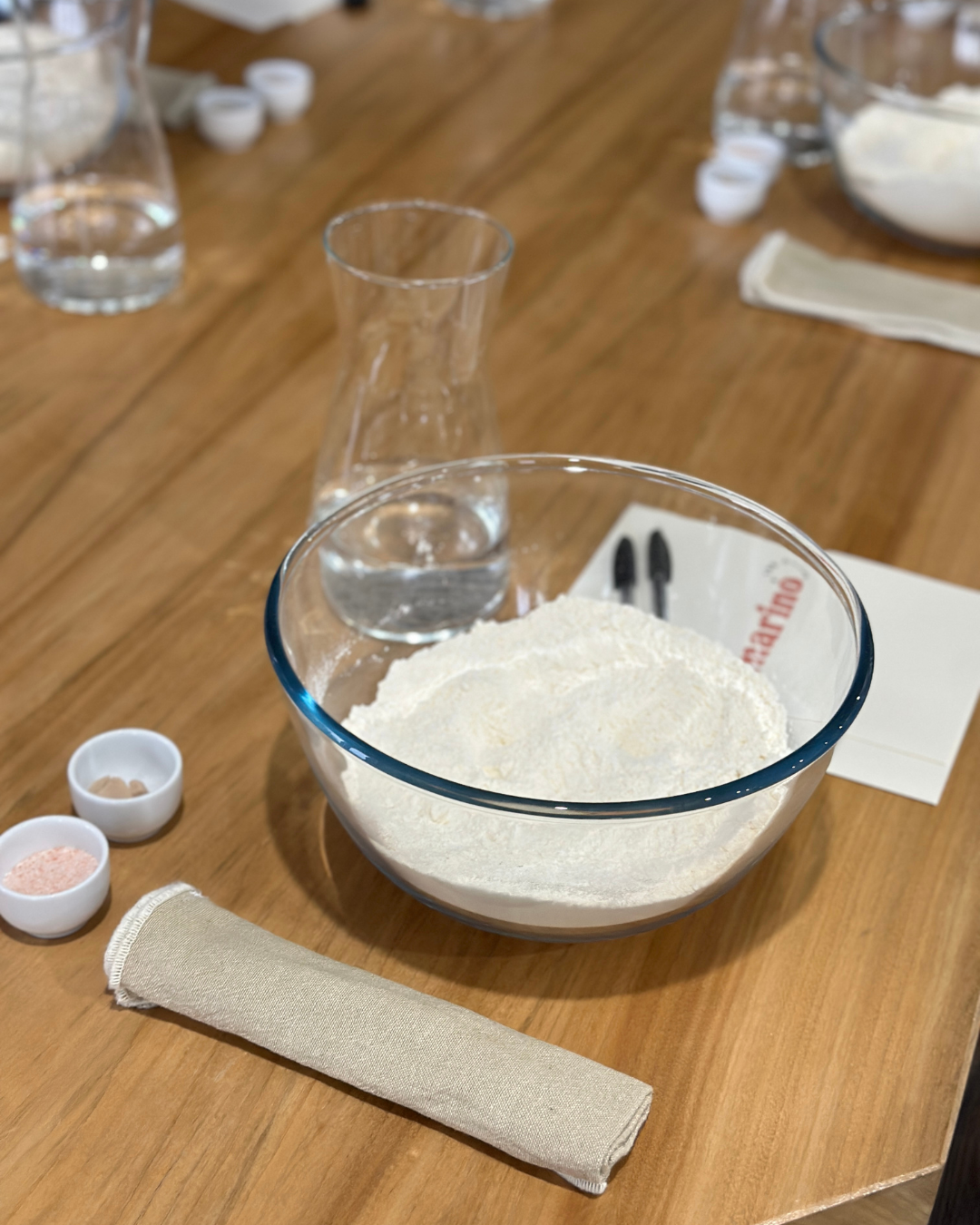
Use Tipo 00 flour with around 12.5–13% protein. That protein is what gives your dough strength and structure. You want something fine but strong, a bit like your nonna after a few espressos.
Italian brands like Caputo Pizzeria or Caputo Nuvola are ideal. You can grab them online or at specialty grocers for the Gold Coast I can recommend Ambarella Fine Foods, or Barbosa Fine Foods Deli or Harris Farm (also in Brisbane and most major cities). If you’re using Aussie flour, look for the protein on the label, it should say at least 12%.
2. Do I need a pizza oven, or can I use my home oven?
Look, traditional Neapolitan pizza needs around 450–500°C, which is what proper gas or wood-fired ovens hit. That’s what I bring to all my pizza masterclasses on the Gold Coast.
But if you’re at home? You can still make great pizza. Just crank your oven to the max, preheat a pizza stone (you can pick this up at your local Bunnings for $25) and finish the top under the grill. Total baking time about 10-12 minutes (compared to 60-90 seconds in a gas or wood fired oven). Not exactly the same, but pretty bloody close if you get your dough right! And certainly still delicious.
3. How long should I ferment my dough in Australia’s climate?
Our warm weather speeds everything up. I recommend:
2–4 hours at room temp, then
24–48 hours in the fridge
This is called cold fermentation and it’s the secret to better flavour, texture, and digestibility. On the Gold Coast, I’ll often mix in the arvo and chuck it in the fridge by dinner.
If your dough overproofs, it’ll collapse and go sticky, so watch the temp and timing.
4. What’s the difference between biga and poolish — and should I use them?
Both are preferments used to boost flavour. Think of them like a sourdough starter for your sourdough bread, but for pizza (duh).Poolish is wet (equal parts flour and water)
Biga is dry (less water, more compact)
They can add amazing depth, but they’re also fiddly and timing-dependent. If you’re new, get comfy with straight dough first, then play with preferments once you’ve got the basics down.
5. How do I know when my dough is ready to stretch?
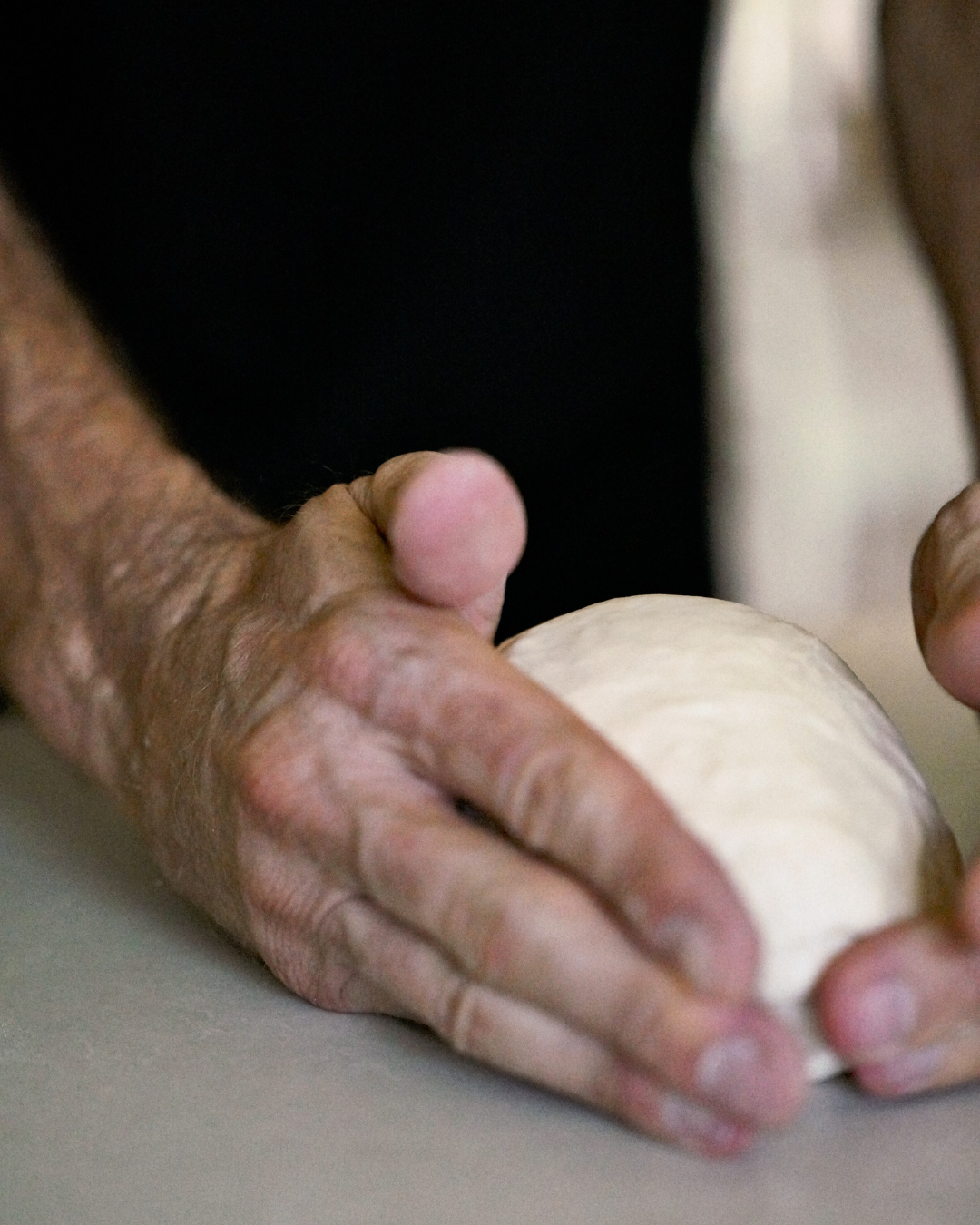
The dough will feel soft, pillowy, and slightly puffy. When you poke it, it should bounce back slowly, not snap tight. If it tears, it might be under-fermented, cold, or too tight.
Let it rest at room temp for 30-45 minutes in summer or 1.5–2 hours in winter after taking it out of the fridge. Your dough should work with you, not against you.
🎯 This is one of the most common pizza dough tips I give in every class.
6. Do I need to add sugar or oil to my dough?
Nope. Traditional Neapolitan dough is just four things:
Flour, water, salt, yeast. That’s it.
Oil or sugar can mess with fermentation and burn in high-heat ovens. The only time I’d add them is if I’m baking in a low-temp oven or making a different pizza style (like focaccia or pan pizza).
7. Why does my dough tear when I stretch it?
Usually comes down to one of three things:
Cold dough straight from the fridge - not elastic enough!
Under-kneaded dough with weak gluten
Over-proofed dough that’s collapsed - be careful not to leave it out too long especially in warm weather!
Solution? Let your dough come to room temp, give it time to relax and don’t rush the initial knead. A bit of patience goes a long way here.
8. Can I freeze pizza dough?
You can, but it’s not my first choice. Freezing changes the texture slightly and can affect rise.
If you must, freeze after your bulk ferment, shape into dough balls, oil lightly, and seal in a zip-lock. Thaw overnight in the fridge and bring to room temp before shaping.
Will it work? Yeah. Will it be as good as fresh, cold-fermented dough? Probably not. But still better than takeaway most nights.
9. What’s the best hydration level for Neapolitan dough?
Traditional dough sits around 60–70% hydration (e.g. that’s 60g water per 100g flour).
It makes the dough a bit stickier to handle, but the crust? Light, airy, beautiful. Just keep your hands floured and don’t panic.
10. Why doesn’t my pizza taste like it does at a pizzeria?
Short answer: temperature + fermentation.
Most home ovens don’t get hot enough. And most home doughs don’t ferment long enough. Combine those, and you’re missing the two biggest keys to that true Neapolitan flavour.
Use a longer cold ferment. Preheat like crazy. Get a stone, or even better - a small gas-fired oven (starting from around $500)! Or just book me for a class and I’ll bring the oven to you 😄
🍕 Want to Learn Hands-On?

If this stuff feels overwhelming, don’t stress - that’s what I’m here for. I run private pizza masterclasses across the Gold Coast and Brisbane where we break all this down in person.
You’ll learn:
How to mix, knead, and ferment properly
How to shape and stretch like a pro
How to bake stunning pizzas at home
And what dough should actually feel like under your hands
Whether you’re planning a fun night with mates or just want to level up your pizza game, I’d love to show you the ropes.
Book your pizza masterclass here
Got Questions? Contact us here.