
10 Common Mistakes When Making Neapolitan Pizza at Home
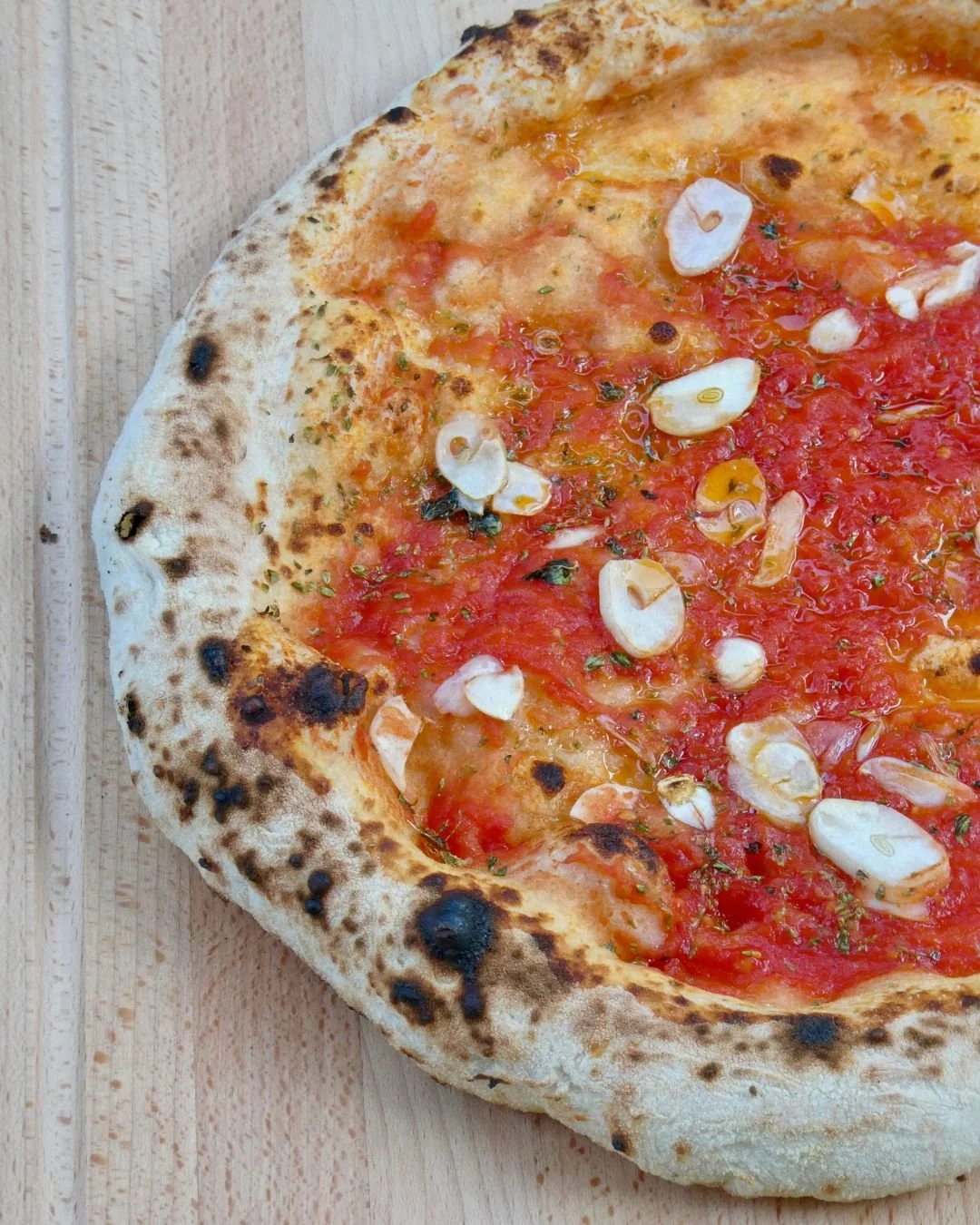
Making Neapolitan style pizza at home can be deeply rewarding, but it can also be frustrating when the result falls short of what you imagined. The dough feels tight, the base turns heavy, the toppings slide, or the pizza simply lacks the balance and character you were hoping for.
Most of the time, the problem is not effort. It is technique.
The good news is that many of the most common pizza-making mistakes are easy to correct once you understand what is happening. Small changes in flour choice, fermentation, shaping, topping, and heat can make a noticeable difference to the final result.
If you are learning how to make Neapolitan pizza at home, here are ten of the most common mistakes beginners make, along with simple ways to fix them.
1. Using the wrong flour
One of the biggest mistakes in home pizza making is assuming all flour behaves the same way. It does not.
Neapolitan style dough benefits from flour that can handle hydration, fermentation, and high heat while still producing a soft, extensible dough. If the flour is too weak or not suited to pizza, the dough may tear easily, feel unstable, or bake with poor texture.
Simple fix
Choose a quality pizza flour suited to longer fermentation and hand stretching. Flour selection has a direct effect on dough structure, so starting with the right one gives you a stronger foundation from the beginning.
2. Not fermenting the dough long enough
This is one of the most important common pizza making mistakes. Dough that has not had enough time to ferment often lacks flavour, feels tight when stretching, and bakes into something heavier and less refined.
Fermentation is where flavour, texture, and dough structure begin to develop properly. Rushing it usually shows in the final pizza.
Simple fix
Give your dough more time. A longer, controlled fermentation, especially cold fermentation, helps the dough develop more complexity and become easier to handle. This is one of the reasons we work with 72 hour fermented dough in our masterclasses.
3. Using too much yeast
When people want faster dough, they often add more yeast. While that may speed up activity, it can also create imbalance. Too much yeast can push the dough too quickly, affect flavour, and make fermentation harder to control.
Simple fix
Use restraint. Good dough is not about forcing speed. It is about giving the dough enough time and the right conditions to mature properly.
4. Stretching the dough incorrectly
A common beginner mistake is using a rolling pin or pressing all the air out of the dough during shaping. This removes the gas built up during fermentation and leaves the crust flat, dense, and lacking softness around the edge.
Simple fix
Stretch the dough gently by hand. Keep the outer edge intact so the dough can hold onto its internal structure. Good shaping is about guiding the dough, not flattening it.
Product Pick: Marino & The Dough Private Pizza Masterclass
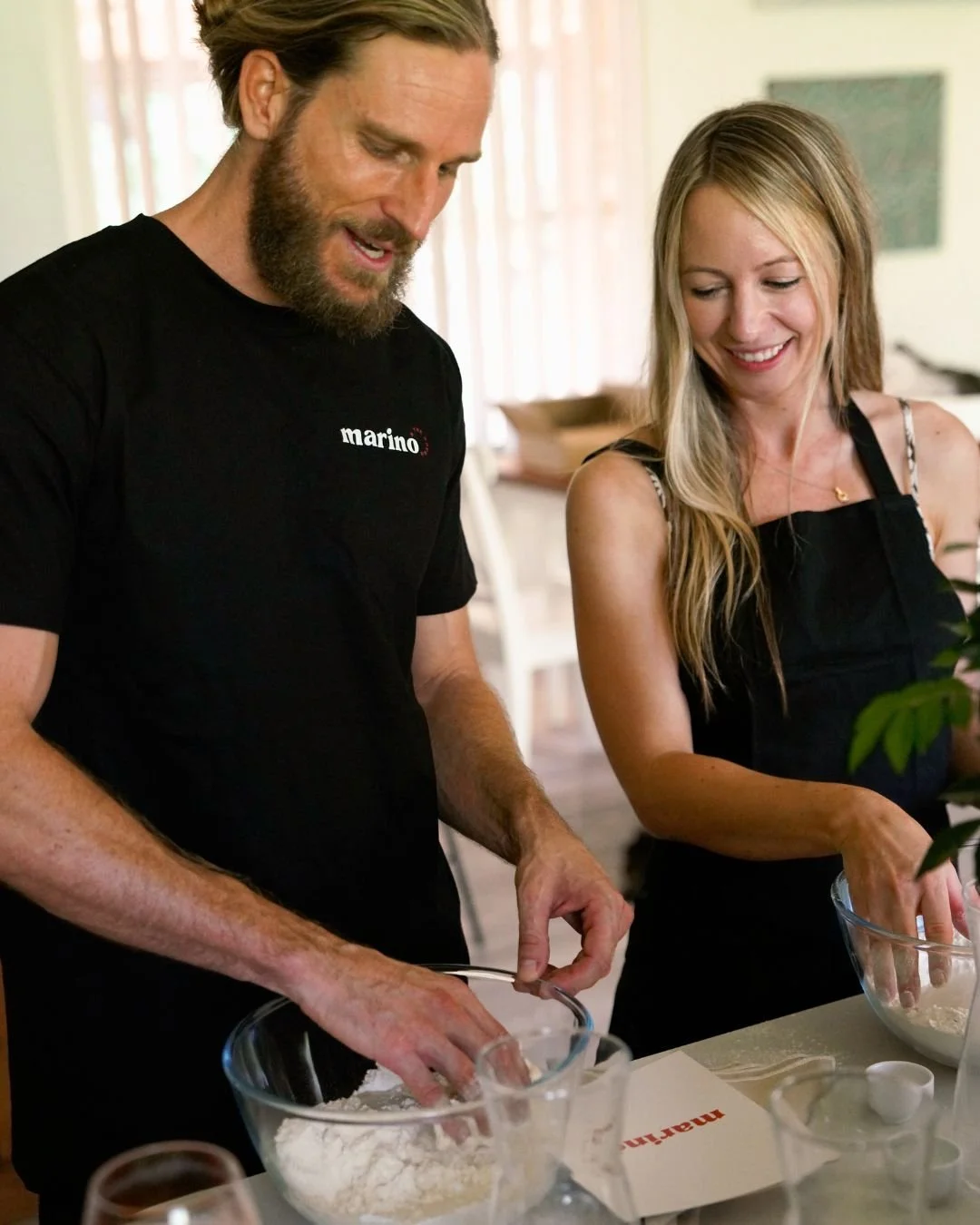
Learn the techniques behind beautifully balanced pizza in a hands-on private masterclass. From dough handling and shaping to topping, firing, and finishing, each session is guided by Dough Artisan Luke Marino and designed to help you build real confidence at home using premium ingredients and exceptional 72-hour fermented dough.
5. Overloading the pizza with toppings
It is easy to think more toppings will make a better pizza, but the opposite is often true. Too much sauce, cheese, or topping weight can make the base soggy, prevent even cooking, and overwhelm the balance of the pizza.
Neapolitan pizza is usually at its best when the ingredients feel considered rather than crowded.
Simple fix
Use restraint and let each ingredient have a purpose. A well balanced pizza allows the dough, sauce, cheese, and finishing elements to work together without fighting for space.
6. Baking at too low a temperature
Heat is a defining part of Neapolitan-style pizza. If your oven or pizza setup is too cool, the dough may dry out before it has the chance to spring properly. You can end up with a pale crust, poor oven rise, and a texture that feels more bread like than pizza like.
Simple fix
Use the highest practical heat available in your setup and allow enough time for the baking surface to fully preheat. Strong heat helps the dough lift, colour, and develop the texture people associate with authentic Neapolitan pizza techniques.
7. Not preheating the surface properly
Even if the oven is hot, the pizza stone or steel may not be. If the baking surface lacks stored heat, the base can struggle to cook properly, leading to a pizza that feels underdone underneath and overworked on top.
Simple fix
Preheat your stone or steel thoroughly before launching the pizza. Surface heat matters just as much as ambient oven temperature when it comes to base development.
8. Working with dough that is too cold
Cold dough can be difficult to stretch and more likely to resist your hands. It may spring back, feel tight, or tear more easily because it has not had time to relax.
Simple fix
Let the dough sit at room temperature before shaping so it becomes more supple and workable. Dough that has relaxed properly is far easier to open without forcing it.
Private Pizza Masterclasses, Hosted Your Way
We host intimate, hands on pizza masterclasses in your home or chosen venue, bringing everything needed for a relaxed, immersive experience. From long ferment dough to firing and finishing, each session is guided by Dough Artisan Luke Marino and designed to be shared, social, and genuinely enjoyable. Perfect for birthdays, team gatherings, or simply a reason to cook and eat together. Book a private masterclass
9. Adding wet ingredients without thinking about moisture
Fresh ingredients can be beautiful on pizza, but they can also introduce too much moisture if they are not handled well. This can affect texture, prevent proper browning, and leave the centre of the pizza soft in the wrong way.
Simple fix
Be mindful of water content. Drain ingredients where needed and avoid combining too many high moisture toppings on the one pizza. Balance matters just as much with toppings as it does with dough.
10. Expecting restaurant results without understanding the process
Many beginners assume that buying better ingredients alone will solve everything. Ingredients matter, but they do not replace technique. Great pizza comes from understanding fermentation, dough handling, shaping, heat, and timing as a complete process.
Simple fix
Focus on learning the fundamentals step by step. Once you understand why dough behaves the way it does, every part of pizza making becomes more intuitive and more enjoyable.
Why small technique changes make such a big difference
This is what makes Neapolitan pizza tips so valuable. The difference between an average result and a beautiful one is often not dramatic. It is a series of smaller decisions made well.
Choosing the right flour. Allowing enough fermentation time. Handling the dough gently. Using balanced toppings. Respecting heat.
These are the details that shape the final pizza.
For anyone looking for a stronger beginner pizza-making guide, the goal is not perfection from day one. It is understanding the craft well enough to improve with each pizza you make.
Learning the right techniques in person
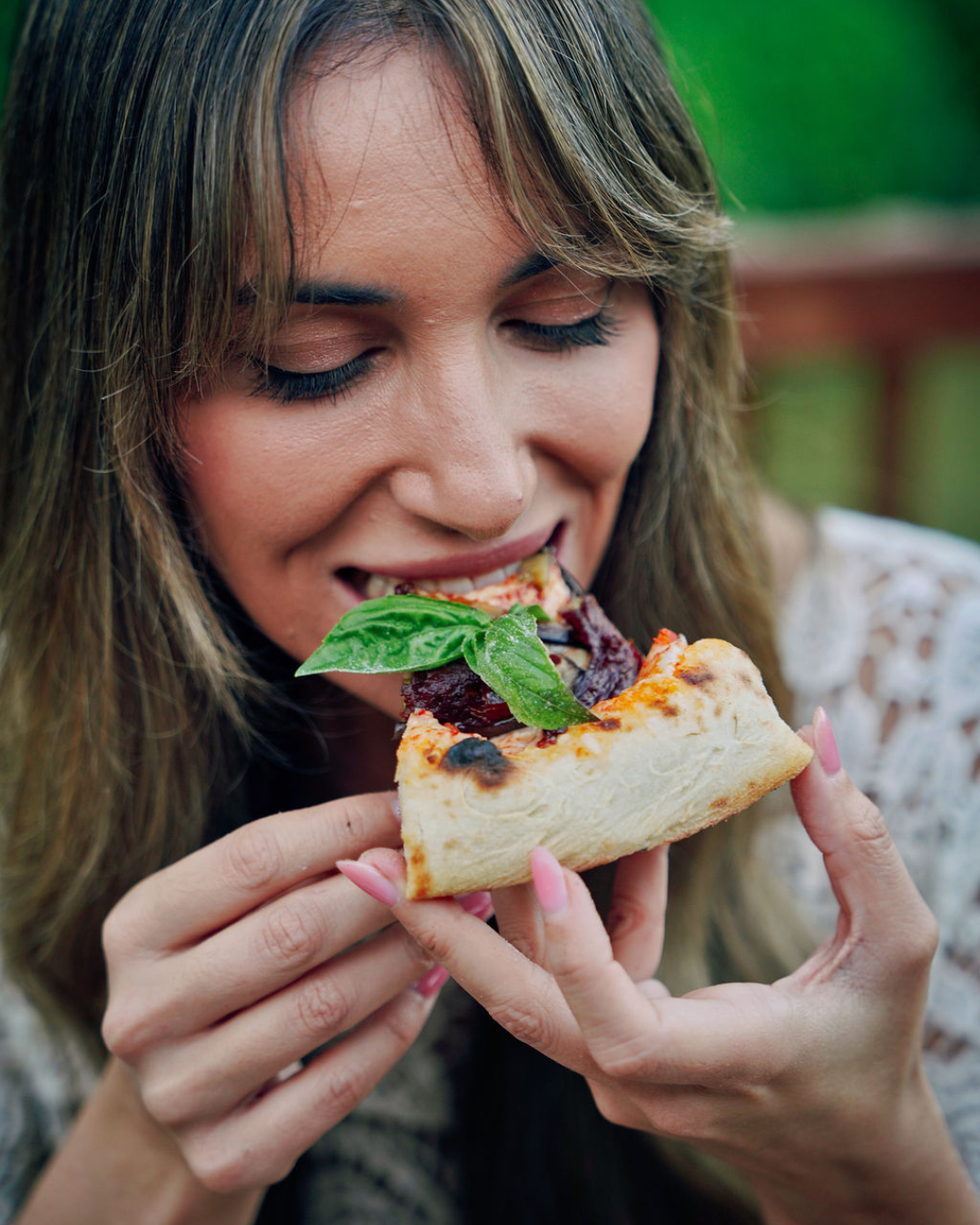
Reading about technique can help, but there is something different about seeing and feeling it in real time. Understanding how dough should stretch, how a base should feel, or how toppings should be balanced becomes far clearer when you are guided through it hands on.
That is why our masterclasses are built around teaching these foundations step by step. Guests learn how to work with dough properly, shape with confidence, and understand the small adjustments that lead to better pizza at home.
It is not about making things complicated. It is about making the process feel more natural, more enjoyable, and more consistent.
FAQ: Common Neapolitan Pizza Mistakes
1. What is the biggest mistake when making Neapolitan pizza at home?
One of the biggest mistakes is rushing the dough. Without proper fermentation, the dough often lacks flavour, structure, and ease of handling, which affects the final pizza from the start.
2. Why does my Neapolitan pizza dough keep shrinking back?
This usually happens when the dough is too cold, under fermented, or not relaxed enough before shaping. Letting the dough rest and ferment properly can make it much easier to stretch.
3. How do I make my homemade pizza more like authentic Neapolitan pizza?
Focus on the essentials: suitable flour, proper fermentation, gentle hand stretching, balanced toppings, and strong heat. These core techniques have a major effect on flavour, texture, and overall finish.
Book Now and Learn the Technique Properly
If you are ready to move beyond guesswork and understand what really improves pizza at home, a Marino & The Dough private masterclass is the perfect next step.
Learn the process from dough to oven with expert guidance, premium ingredients, and beautifully prepared 72 hour fermented dough that shows you exactly what great pizza should feel like in your hands.