
Biga vs Poolish: The Dough Debate You Never Knew You Needed
Why Pre-Ferments Matter
If you've ever wondered how artisan pizza achieves that beautiful balance of chew, airiness, and depth of flavour, the answer usually lies in one crucial technique: pre-fermentation.
Pre-ferments, like biga and poolish, are mixtures of flour, water, and yeast prepared in advance of the final dough. They jumpstart fermentation, build flavour from the inside out, and help create structure long before the dough hits the bench. Think of them like a sourdough starter's Neapolitan cousins, shorter-lived, but deeply effective.
At Marino & The Dough, pre-ferments are essential to our 72-hour dough process. Whether we're hosting a private pizza masterclass or firing up at a team retreat, we rely on time-tested Italian techniques to bring every ball of dough to life. This guide will explore the differences between biga and poolish, what they contribute to pizza, and how to use them in your own kitchen.
What is Poolish?
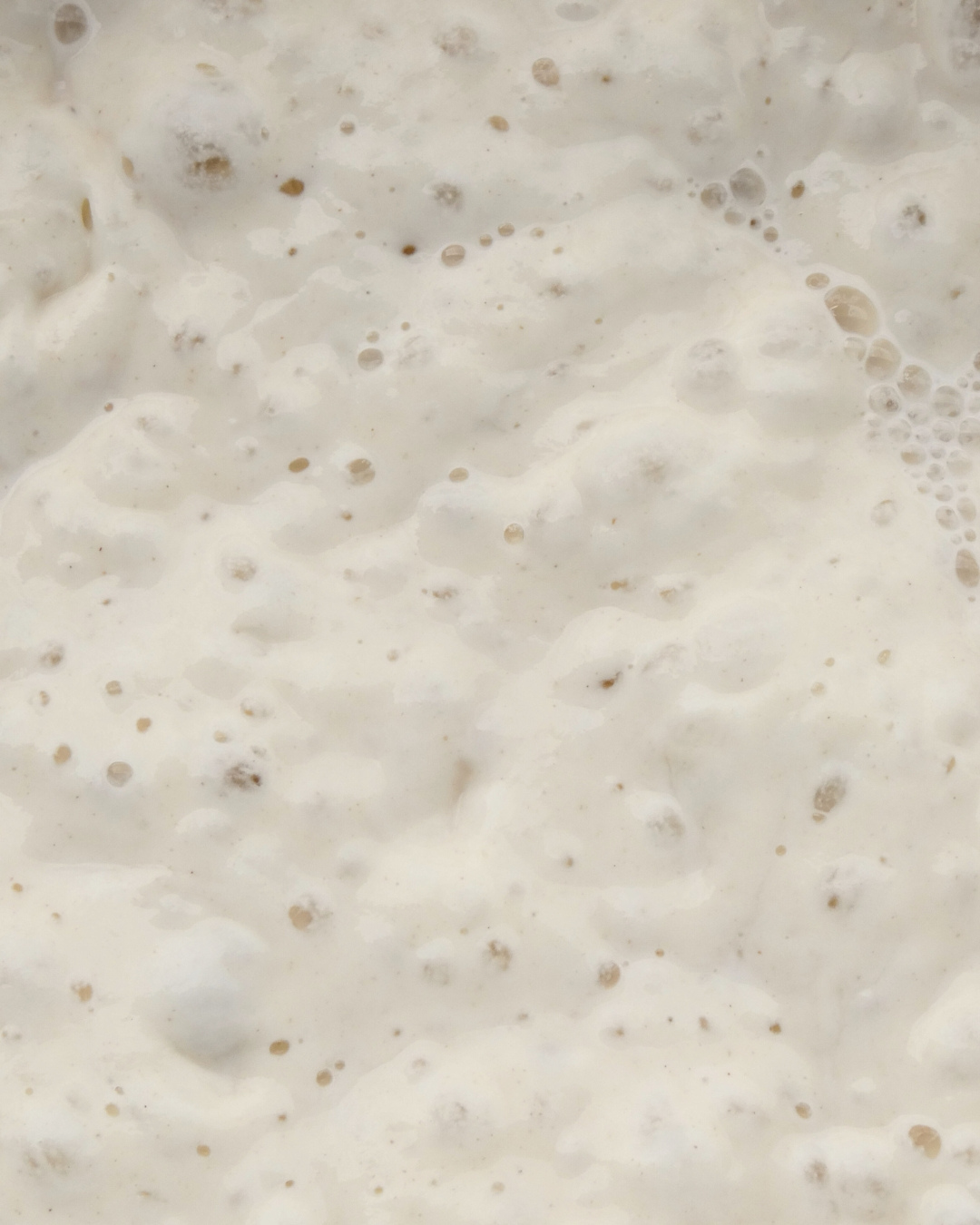
Texture: Wet, bubbly, pourable
Hydration: 100% (equal parts water and flour by weight)
Flavour Profile: Light acidity, soft aroma
Fermentation Time: 12–16 hours at room temp (or overnight chilled)
Poolish is a highly hydrated pre-ferment originating from French baking but widely embraced in Italian pizza circles. Its liquid texture makes it easy to mix into the final dough, and its fermentation is fast and active due to the high water content.
Poolish creates a soft, open crumb with a gentle tang, ideal for lighter pizza styles like pizza in teglia, focaccia, or Neapolitan-style pizzas that lean toward airiness.
Pros of Using Poolish:
Beginner-friendly and easy to mix
Adds extensibility (stretchiness) to dough
Ideal for next-day baking
Produces a light crust with good oven spring
When to Use Poolish:
Short timelines (24 hours total)
High hydration doughs
Home ovens where lighter crusts work well
What is Biga?
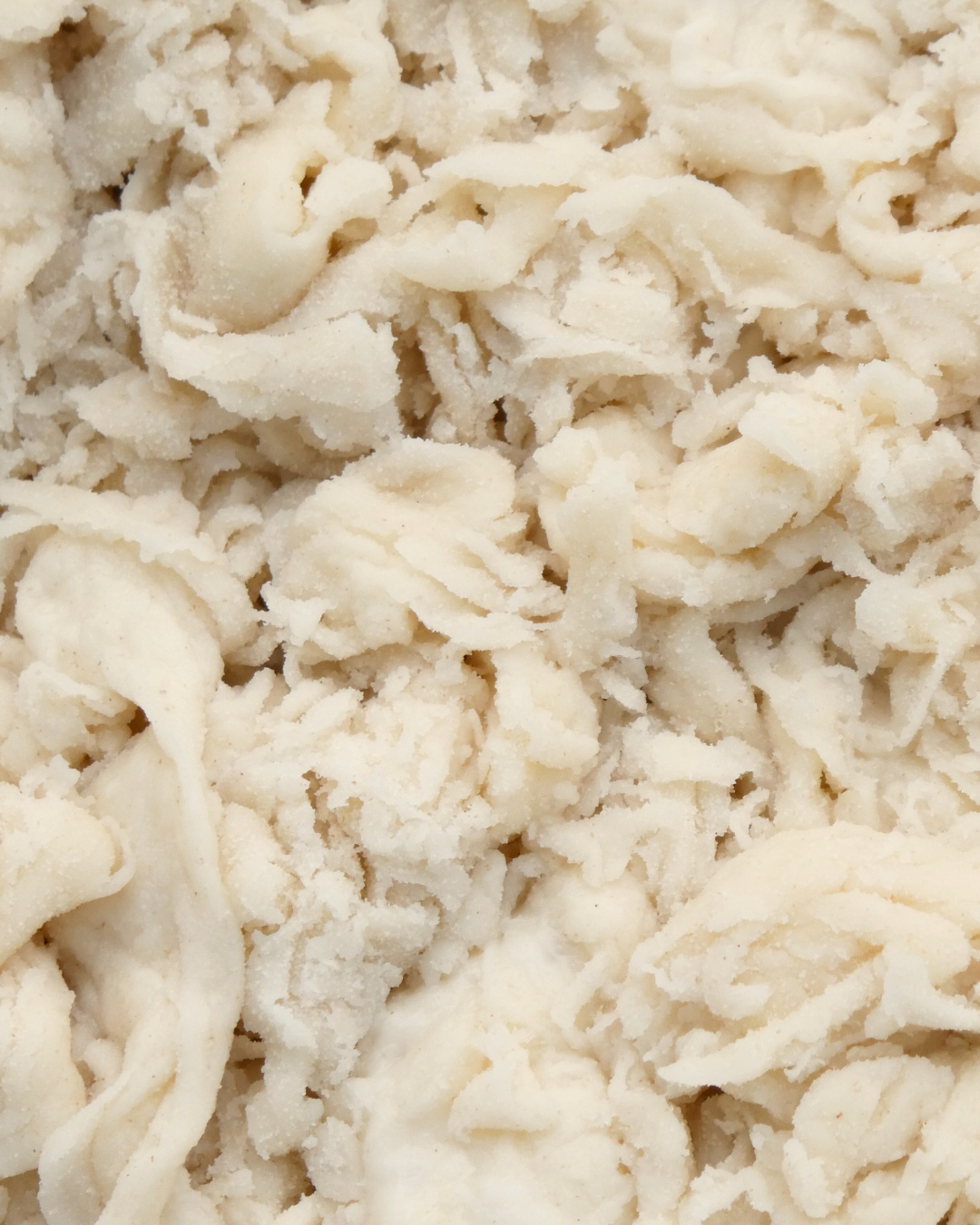
Texture: Dry, crumbly, tacky
Hydration: 50–60%
Flavour Profile: Deep, nutty, slightly sweet
Fermentation Time: 16–24 hours (often chilled, then brought to room temp)
Biga is Italy's traditional pre-ferment,firmer, slower to develop, and flavourful. Unlike poolish, biga is drier and requires more mixing effort the next day. But its benefits are worth it: better structure, stronger gluten, and a richer, more complex crust.
Biga is used in many of our masterclasses because it gives the final dough that signature chew, crisp base, and well-developed aroma that defines artisan pizza.
Pros of Using Biga:
Stronger dough structure
Richer crust flavour
Better for longer fermentation schedules
Handles toppings well without collapsing
When to Use Biga:
72-hour dough schedules
Neapolitan and Roman-style pizza
Professional or home bakers seeking more depth
Biga vs Poolish: How Do They Compare?
-
Hydration: 50–60%
Texture: Crumbly, low moisture
Flavour: Nutty, sweet, subtle depth
Structure: Strong, elastic, chewy
Ease of Use: Intermediate/Advanced
Ideal Use: Long ferments, Neapolitan
-
Hydration: 100%
Texture: Loose, bubbly, pourable
Flavour: Mild tang, slightly acidic
Structure: Airy, light, open crumb
Ease of Use: Beginner-friendly
Ideal Use: Short ferments, focaccia
Which Method is Right for You?
Both pre-ferments will level up your pizza, but your ideal method depends on your goal:
Use Poolish if you want an easier prep, faster turnaround, and soft crust.
Use Biga if you're planning ahead, enjoy the craft, and want chewy, flavour-rich pizza.
At Marino & The Dough, we tend to lean into biga for its consistency, structure, and incredible aroma. But there are times when poolish fits the format perfectly, especially for high-hydration focaccia or lighter home-baked pizzas.
Tips for Using Pre-Ferments at Home
Weigh your ingredients. Accuracy is key. Always use grams.
Use quality flour. Tipo 00 or high-protein baker's flour works best.
Cold ferment for flavour. Slow, cold rises allow the pre-ferment to develop complexity.
Don't skip rest times. Both the pre-ferment and final dough need rest to hydrate and strengthen.
Adjust hydration thoughtfully. Pre-ferments affect final dough hydration; plan accordingly.
Learn It. Master It. Make It Yours.
Curious to try it in a hands-on setting? Our masterclasses across the Gold Coast, Brisbane, and Northern NSW guide you through every step of the process, from mixing and resting to shaping and firing. You’ll leave knowing exactly how to craft your own artisan dough.
Book your private or team masterclass today:
Because real pizza starts with real dough.