
72-Hour Pizza Dough: Why Time Is the Secret Ingredient
72-Hour Pizza Dough: Why Time Is the Secret Ingredient
Great pizza dough isn’t rushed. It’s rested, cooled, and given time to transform.
If you’ve ever wondered why authentic Neapolitan pizza tastes lighter, deeper, and more balanced than most home attempts, the answer usually comes down to one thing: Fermentation time. Specifically, a 72-hour cold ferment.
This isn’t a trend or a chef’s trick. It’s a quiet process that rewards patience, and it’s central to how real pizza dough should look, feel, and taste.
What actually happens during a 72-hour cold ferment
When pizza dough ferments slowly in the fridge over 72 hours, a few important changes occur.
First, flavour develops. Natural sugars are released as enzymes break down starches, creating subtle sweetness and depth that fast dough simply can’t replicate.
Second, texture improves. Long fermentation strengthens gluten gently, resulting in dough that stretches easily without tearing and bakes into a light, airy crust with a soft interior and blistered edge.
Finally, digestibility increases. The extended fermentation allows yeast and enzymes to do much of the work before baking, which many people find makes the pizza easier to enjoy and less heavy.
This is why fermentation time matters more than fancy toppings or hydration charts.
Why authentic Neapolitan pizza relies on time, not speed
In traditional Neapolitan pizza making, dough isn’t something you knock together the same day. It’s planned days in advance.
A proper pizza dough fermentation process respects:
Cool temperatures
Minimal yeast
Long rest periods
Gentle handling
Rushing this process often leads to dough that’s tight, bland, or overly yeasty. Giving it time creates balance. Nothing dominates. Everything works together.
This is the foundation taught and used throughout Marino & The Dough masterclasses, because once you feel the difference, you don’t go back.
How 72-hour dough changes the masterclass experience
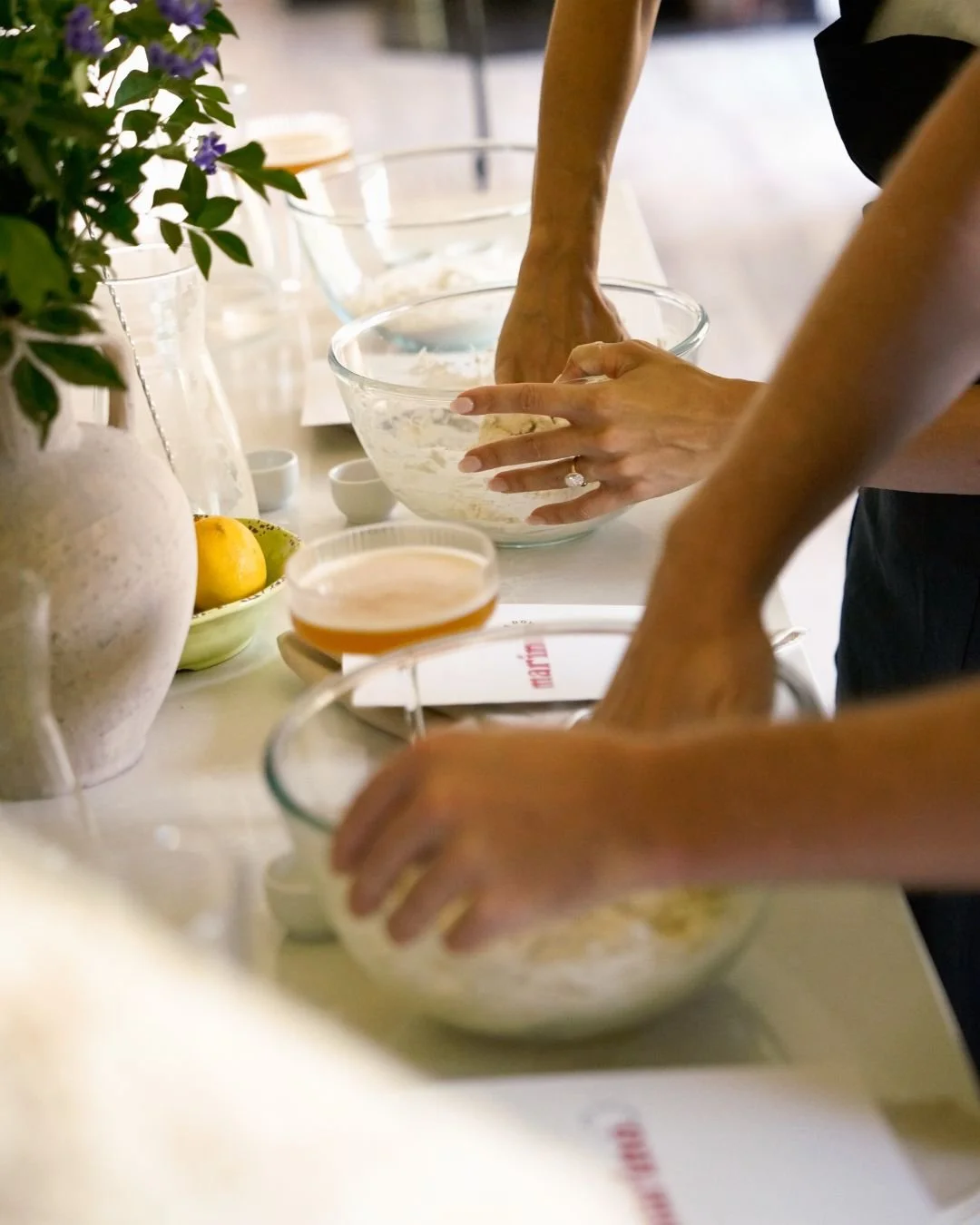
Long-ferment dough doesn’t just improve the final pizza. It improves the entire experience.
Participants immediately notice:
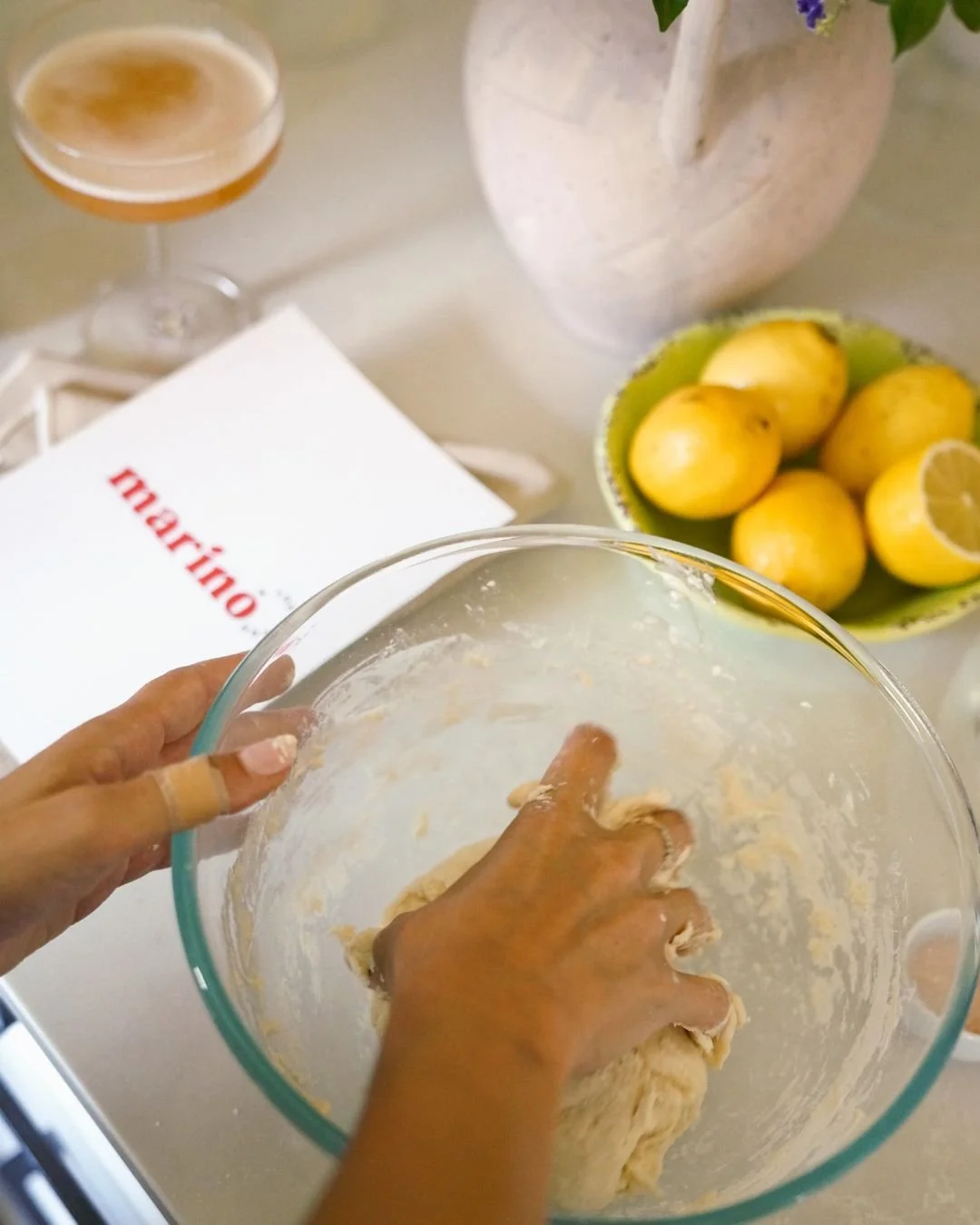
How relaxed the dough feels in their hands
How easily it stretches without springing back
How little semolina is needed to shape it
How evenly it bakes in high heat
Learning with properly fermented dough allows the technique to shine. It removes frustration and builds confidence quickly, especially for first-timers.
If you’d like to experience this yourself, available dates can be found here, where masterclasses can be added directly to the cart and secured in advance.
Private Pizza Masterclasses, Hosted Your Way
We host intimate, hands-on pizza masterclasses in your home or chosen venue, bringing everything needed for a relaxed, immersive experience. From long-ferment dough to firing and finishing, each session is guided by Dough Artisan Luke Marino and designed to be shared, social, and genuinely enjoyable. Perfect for birthdays, team gatherings, or simply a reason to cook and eat together.
Book a private masterclass here
Common myths about long fermentation pizza dough
One of the biggest misconceptions is that longer fermentation makes dough sour. In reality, sourness comes from imbalance, not time.
When handled correctly, a 72-hour cold ferment produces dough that’s clean, aromatic, and subtly complex.
Another myth is that it’s only for professionals. While it does require planning, the process itself is simple once you understand timing, temperature, and handling.
That’s why learning it in context, rather than from a recipe alone, makes such a difference.
From fridge to fire: why timing matters at every step
Fermentation doesn’t stop being important once the dough is made.
Resting time before stretching, proofing temperature on the day, and how long the dough sits at room temperature all influence the final result. These small adjustments are often what separate good pizza from great pizza.
In a masterclass setting, these details become tangible. You feel them, not just read about them.
FAQs
Is 72-hour pizza dough difficult to make at home?
Not once you understand the process. The steps are straightforward, but timing and temperature are key.
Does longer fermentation always mean better pizza?
Up to a point. Around 72 hours offers an ideal balance of flavour, texture, and control for Neapolitan-style dough.
Can beginners work with long-ferment dough?
Yes. In fact, many find it easier to handle than same-day dough because it’s more relaxed and extensible.
Curious how long-ferment dough should really taste and feel?
Experiencing 72-hour pizza dough in person changes how you understand pizza forever. Choose a date that suits your group and lock it in while availability allows.